Days after World War II around Baltic Sea (D.A.B.S.)

It is clear that the Second World War had a significant impact on the cultural heritage, cultural institutions and museums in the European countries around the Baltic Sea. After this event, we will have both a unifying and a unique experience.
The Post-Teutonic Order Heritage Centre of the Malbork Castle Museum and the Association of Castles and Museums around the Baltic Sea are collaborating on a new project: “Days after World War II around the Baltic Sea (D.A.B.S.)”.
The project was launched and implemented with the aim of giving a new impetus to the development of the Association after 32 years of activity. The project also aimed to create new platforms for cooperation and increase the intensity of contacts between members. It also aimed to involve the younger generation of researchers and workers in international cooperation.
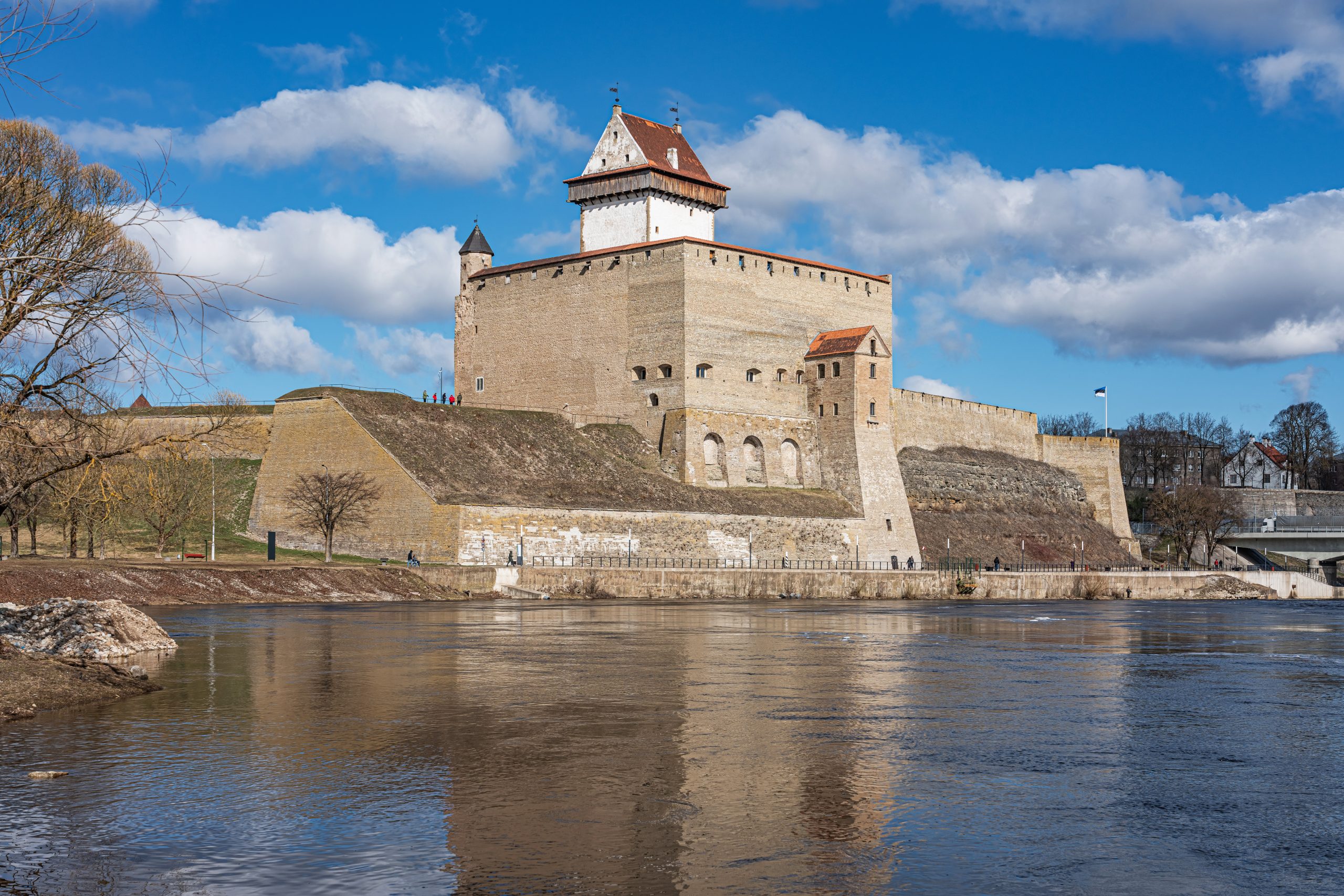
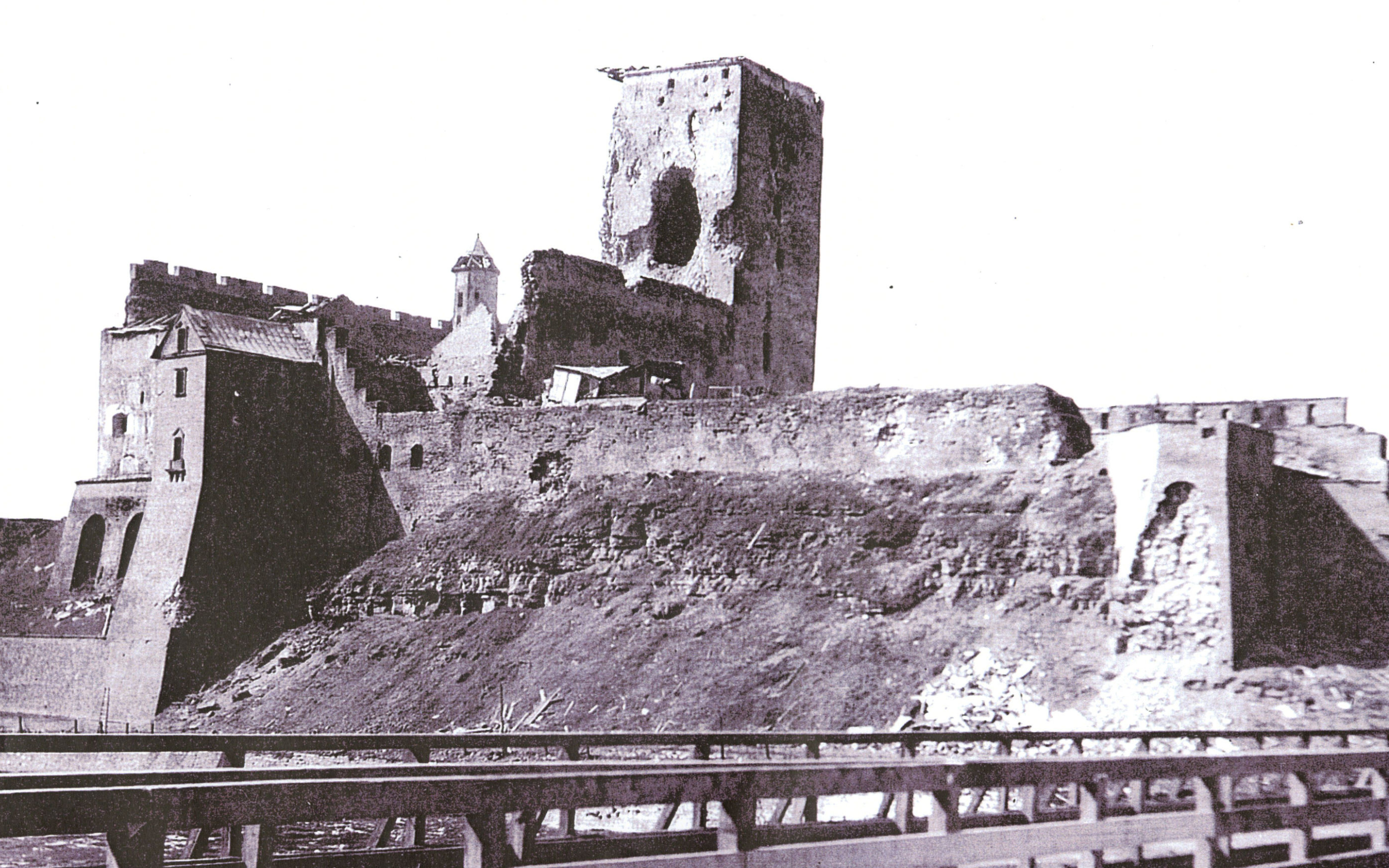
The research and cooperation programme will focus on different aspects of the aftermath of the Second World War: wartime consequences, damage and loss, reconstruction, rebuilding and revitalisation of buildings. It will also cover the relationship between tangible and intangible heritage. We want to explore how the Second World War not only affected the protection of tangible heritage and shaped its post-war development, but also how the intangible aspects of cultural heritage can be addressed. In countries where the heritage was not substantially destroyed, the political changes brought about by the end of the war did indeed determine the involvement of the state in the management and ownership of museums.
Pictorial History
The Association’s Board Meeting, hosted in Uppsala in May 2026, accepted and supported a proposal for the next step of the DABS project. This phase will present the results of the Research Reports and Questionnaires in the form of a pictorial history - a presentation of historical events through imagery. The core themes of the DABS project make a pictorial history a highly viable solution for engaging all members.
To begin this phase, we are asking members for a short summary of the photographic materials in their possession. This list does not need to be exhaustive; it should simply outline the main photographers, photographic collections, and where they are kept. You can deliver this in a format as simple as a document containing a table with the following categories: place, monument, photograph author, date, and general information (such as archive number, context, and availability for reproduction).
Expected Outcomes
The strength of the pictorial history approach lies in its flexibility and adaptability; it offers something that everyone in our Association can contribute to. Moreover, while the Second World War impacted our regions and cultural heritage in different ways, photography serves as a uniting thread that we can explore as a team. Several possibilities exist for outcomes and collaboration. For example, in addition to a published book, the progress of our project could be featured in a special issue of the Malbork Castle Museum’s journal, Studia Zamkowe, focusing on the photographic documentation of heritage after the Second World War. Another strength of the pictorial approach is its great potential for an exhibition curated by Association members. This could take the form of a "travelling" poster exhibition, accompanied by a series of workshops as it moves across the Association network.
Opportunities
An important aspect of DABS is its focus on exchange and supporting younger professionals. Therefore, we would highly encourage employees of cooperating member institutions to suggest roles that their younger colleagues could play. This could include, for example, photographic selection, designing the poster exhibition, or compiling historical information about the photographs, their authors, and their cultural contexts.
We look forward to this next step and, most importantly, hearing your ideas. One of the greatest strengths of our Association is our open communication and friendship. No question is too big or too small. Please feel free to express any thoughts or concerns by contacting me directly at: g.leighton@zamek.malbork.pl.
PROJECT MANAGER
Dr Gregory Leighton
Centre for Post-Teutonic Heritage Research
Malbork Castle Museum
g.leighton@zamek.malbork.pl


The D.A.B.S. project can be seen as an exploration of the history of our association, namely the post-war situation in our countries and how it led to the creation of ACMABS in 1991.
This is not a project about war, but about its effects and how to overcome them.
It is hoped that the project will encourage intensified research into museums and castles in the northern regions of Europe, and that this research will be carried out in collaboration with a range of participants. We are determined to gain new knowledge and establish new connections. We are committed to facilitating the exchange of knowledge in the fields of history, art history, archaeology, architecture, conservation and economics and management.
The project, the result of a collaborative effort, will produce concrete results in the form of workshops, publications and conferences.